
Five reasons high-risk merchants choose white-label PSPs
Acquirer access, underwriting appetite and the operational cover that mainstream processors will not give a high-risk vertical.
Read postSchedule a demo
Pick a time with our team. The scheduler is provided by Calendly and sets its own cookies.
Prefer email? support@coriunder.com
We use your details to arrange your demo. Read our Privacy Policy.
Fifty-nine capabilities across eleven areas, from onboarding and routing through banking, risk, settlement and reporting. Every card links to the detail behind it.

A different application form per account type and business category, with visibility, mandatory and validation rules set field by field.
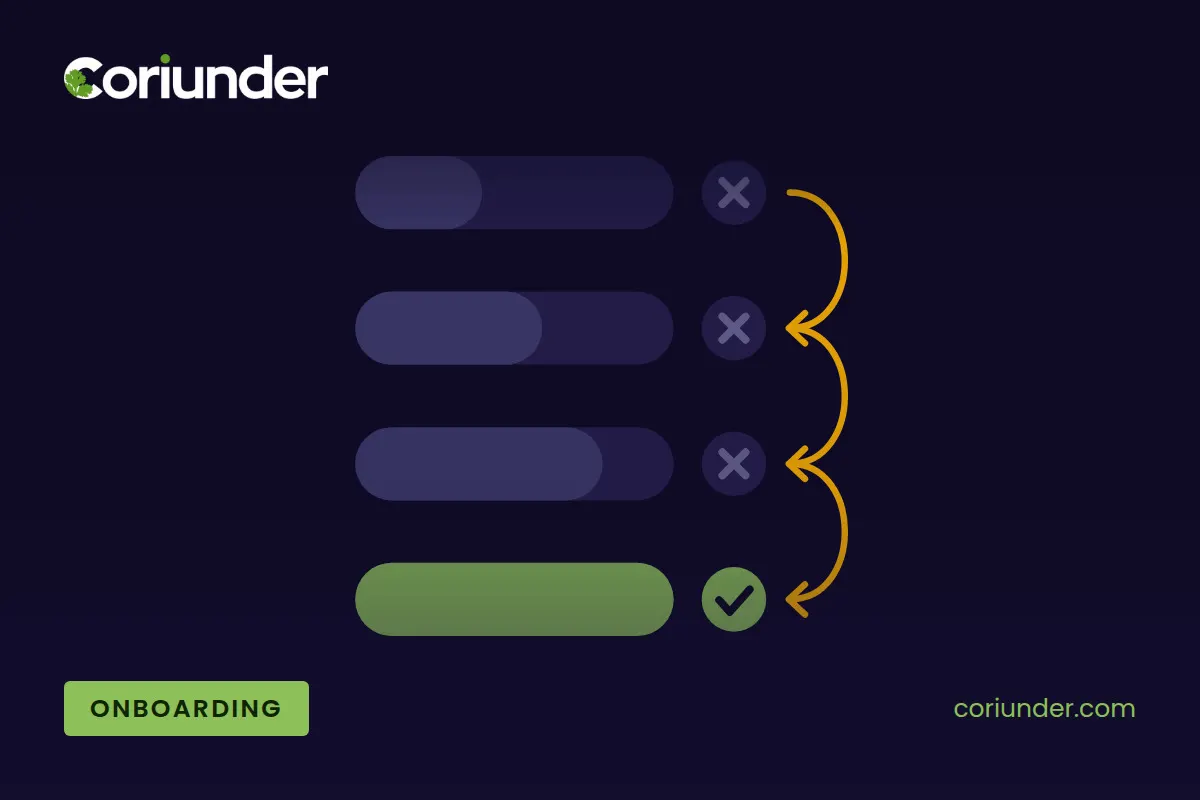
Score every application against a 1,000 point base using eight condition types, then auto-approve, queue for review or decline on your own thresholds.
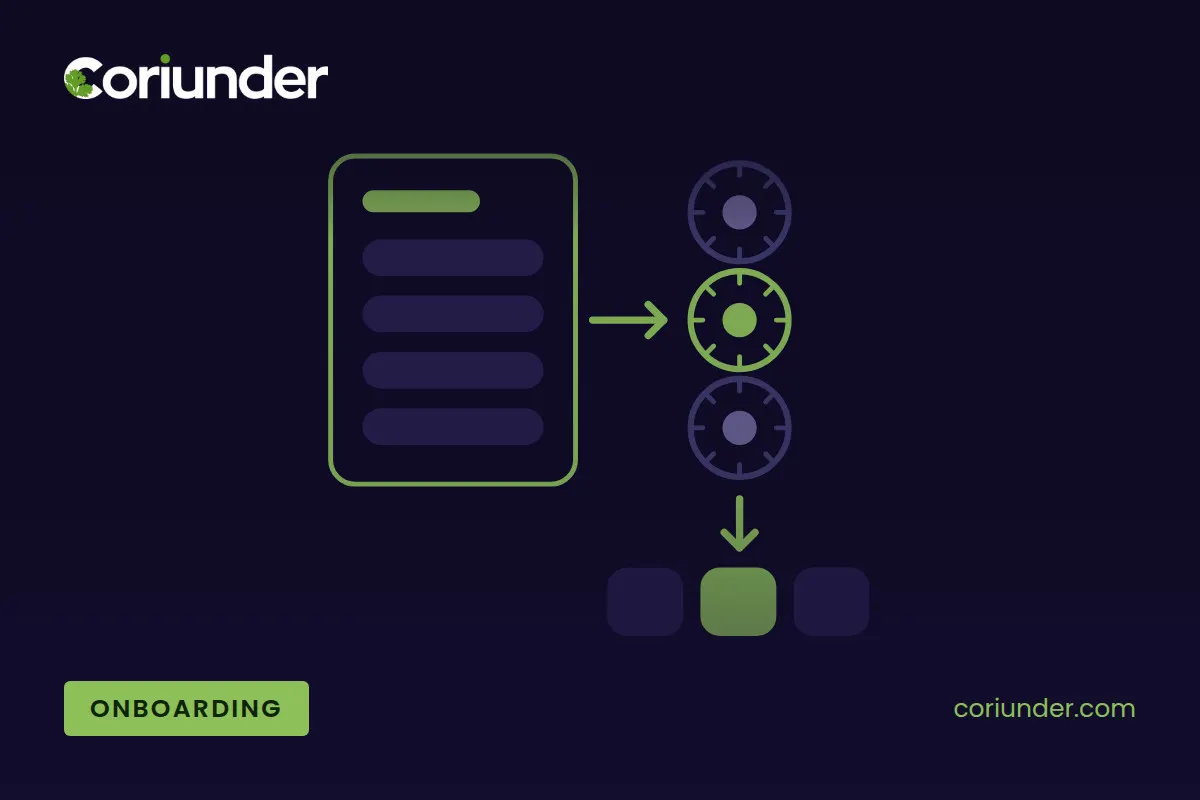
Every inbound registration in one queue, converted to a live account in a click, moving through an eight-stage merchant lifecycle.

Create a working merchant from one short form for the cases where a full application is the wrong tool.

Collect signed agreements and beneficial owner declarations during onboarding, with signature as a gate the rules engine can require.
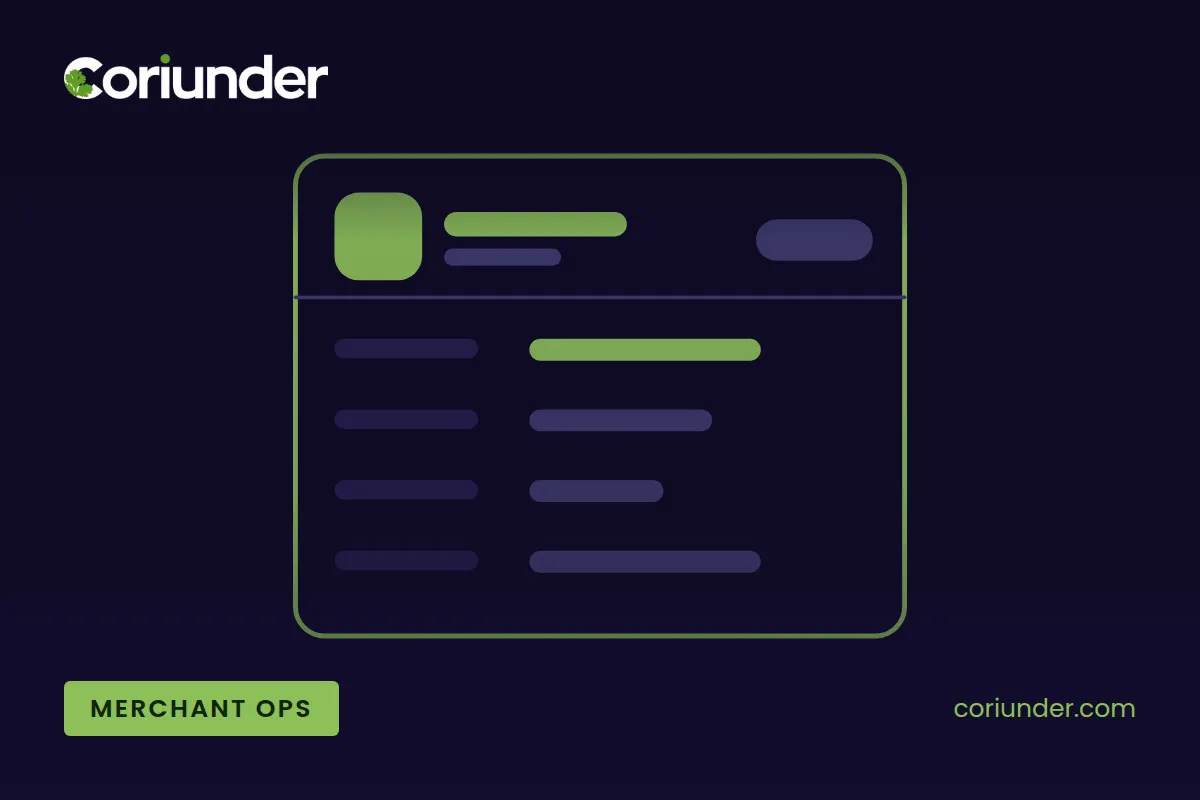
Everything about a merchant in one profile: terminals, fees, risk posture, documents, users and status.
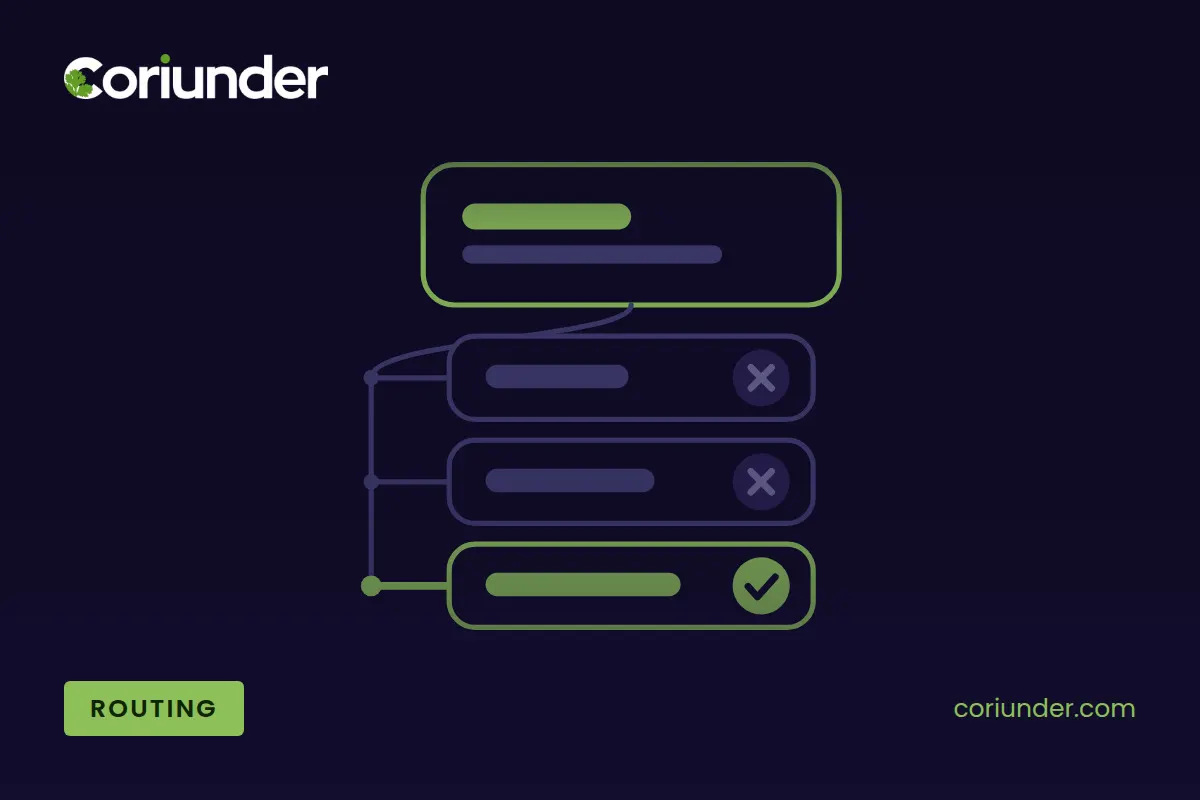
Pick the right terminal per transaction on currency, method, geography, amount, card type and ratio, then cascade to the next eligible one on a decline.

Routing expressed as rules you can read and change, with a merchant-side override when a merchant needs to force a terminal.

Authorisation, capture, sale, refund, chargeback and manual entries, each with the history and audit trail behind it.
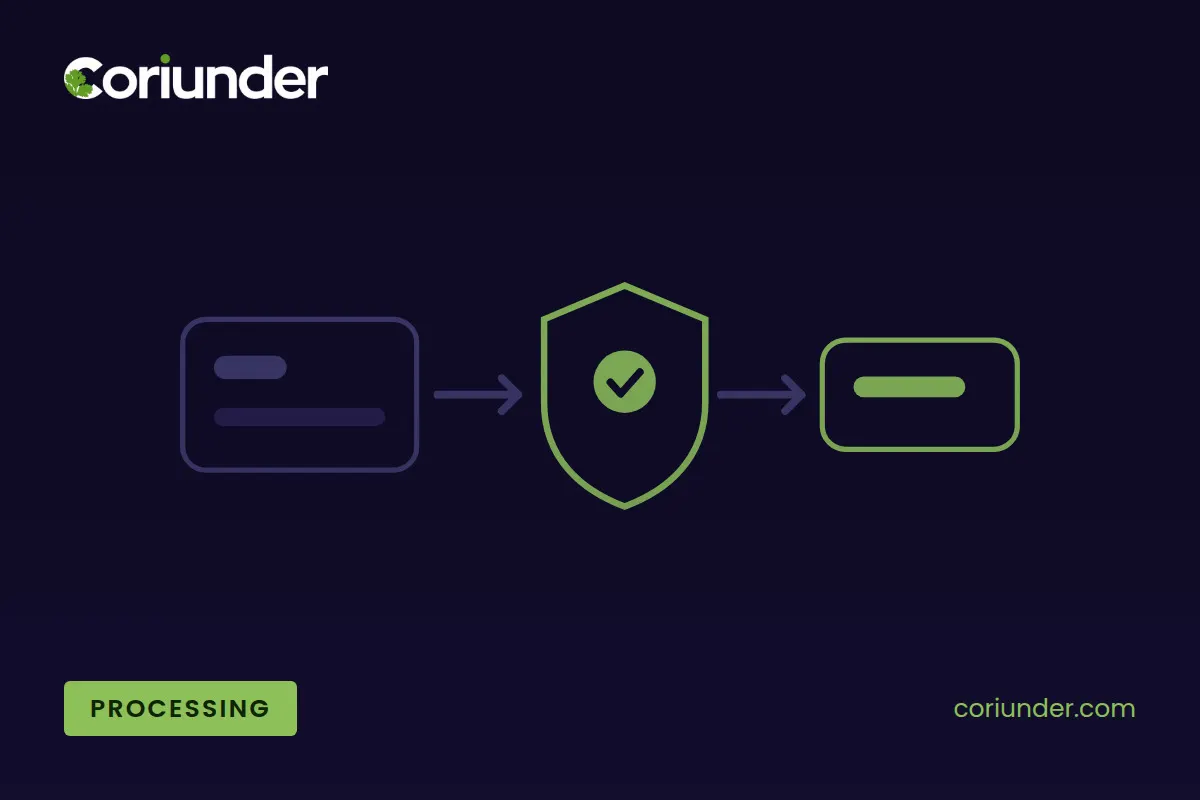
Version 1 and 2 across compatible gateways, acquirer side or external MPI, enforced per terminal as required, optional or off.

Weekly, monthly or annual charge cycles against a stored payment method, enabled per terminal, with the full series history.

700+ payment methods: cards, alternative methods, bank transfer, wallets, crypto, prepaid, vouchers and mobile money.

Define a terminal once and stamp it out, so every new MID starts from a known good configuration instead of a blank form.
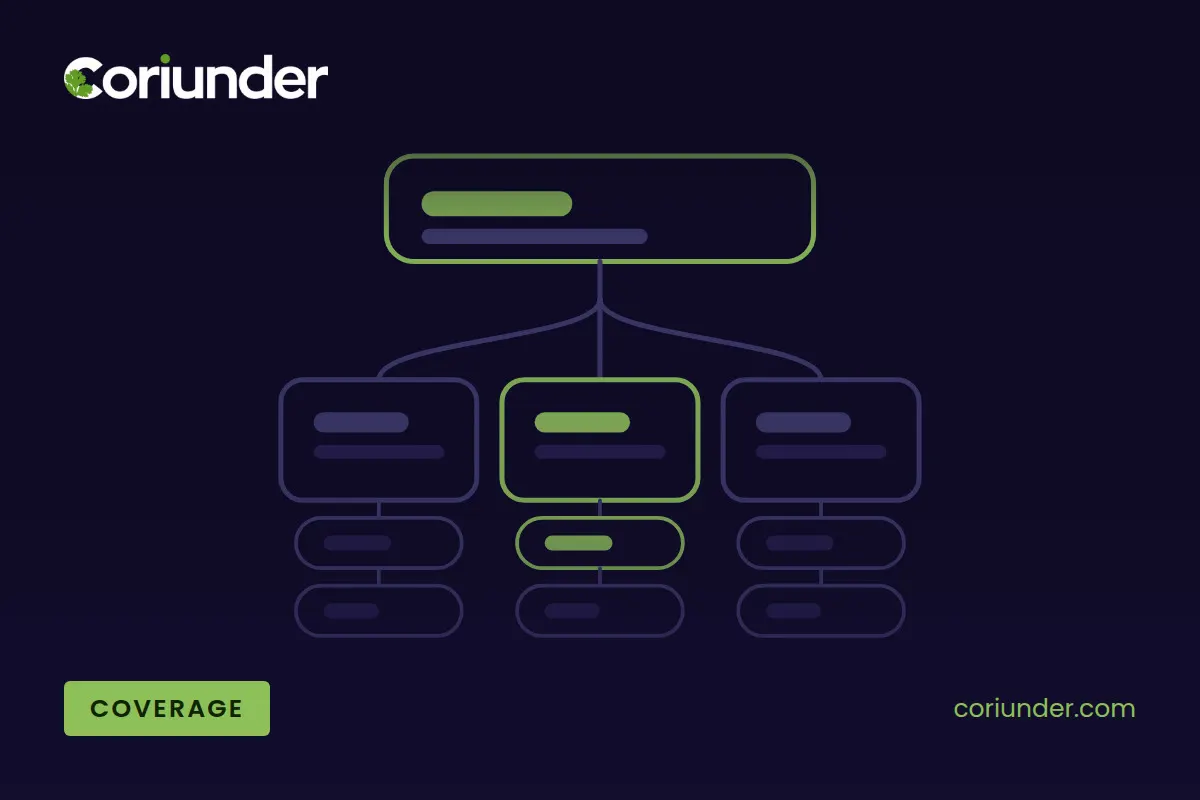
500+ acquirers, PSPs and alternative payment providers, each with its own terminal configuration, rates and reporting margin.

Nine templates with per-merchant styling, dynamic amounts, custom fields and fee display, inside a PCI isolated environment.
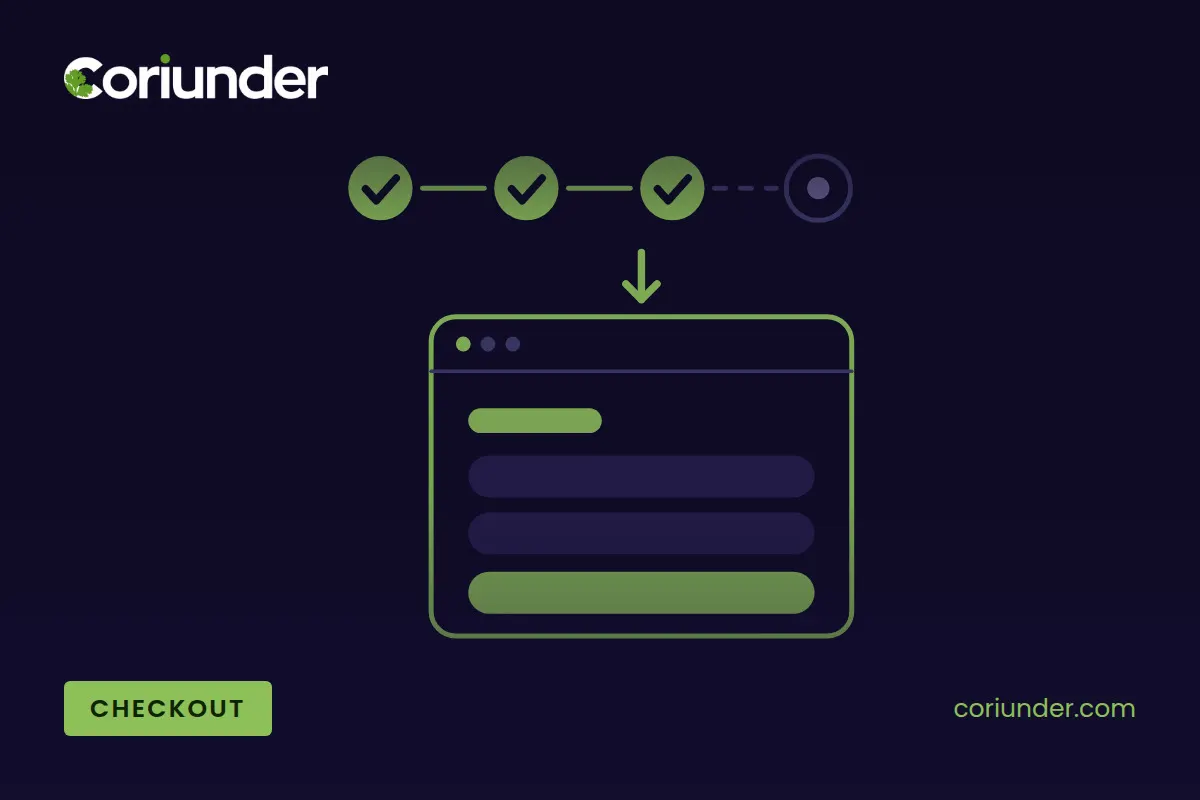
A wizard that produces a working payment page for a merchant who does not have a developer to spare.

A deposit and withdrawal cashier for platforms whose customers hold a balance rather than pay once.

200+ API endpoints covering every platform function, alongside hosted pages, iframes and server to server.

A payment method wizard with code generation, signature validation tooling and response simulation for integration testing.
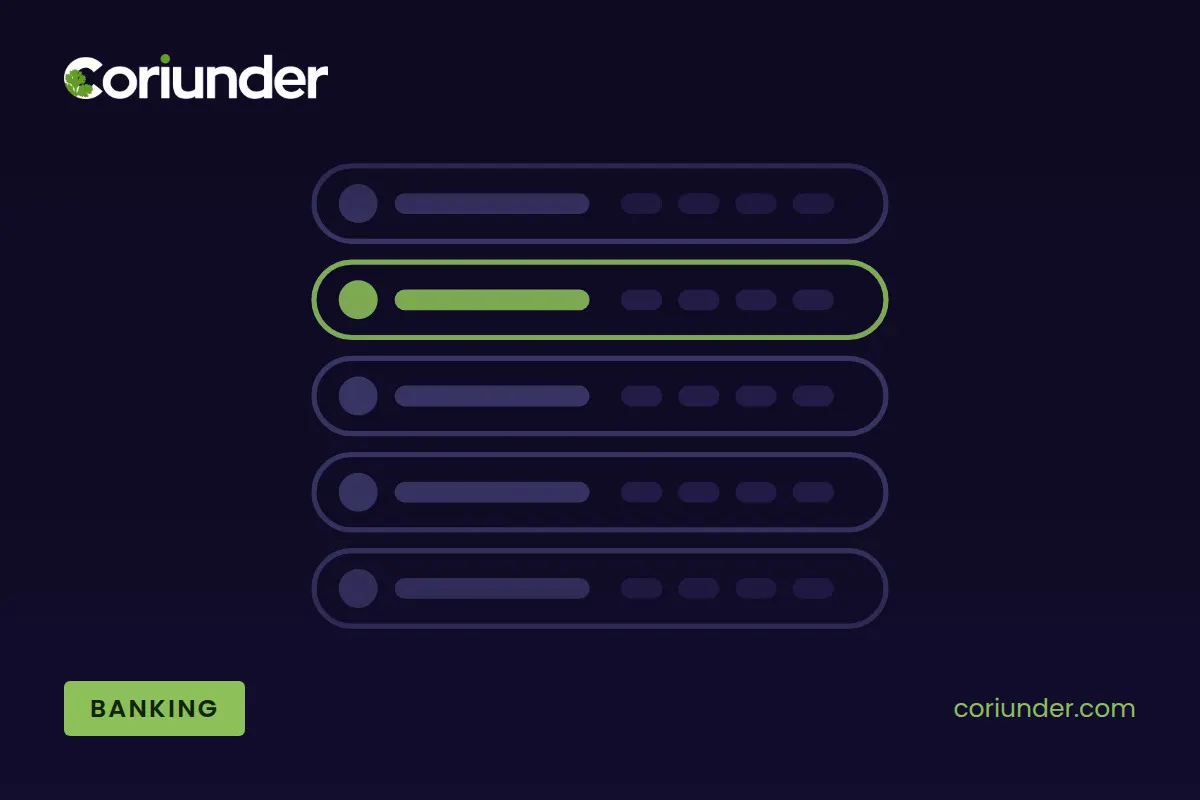
Real bank accounts per customer or merchant across providers, with live balances, incoming deposit detection and stored beneficiaries.
Every balance in one view, updated on each transaction, with a paginated row history you can filter by account, date, type and status.
Request a payout to an external account through an approval workflow, with limits and an AML check before anything leaves.

Move money between accounts and between currencies under daily and monthly limits, set separately per tier and per currency.

Sub-accounts with their own roles and permissions, created by the account holder rather than by your support team.
Account to account payments and bank data alongside the card rails, in the same balance and reporting model.

Convert between currencies with a configurable spread and fee, and keep every conversion in an auditable history.
Closed loop card issuing with custom BIN configuration, assigned per affiliate, merchant or customer and loaded from balance or deposit.

Multi-currency crypto wallets with deposits, conversions and balances shown next to fiat, per programme provider assignment.

Issue and redeem vouchers tied to account allocations, with expiry tracking against the balance module.
Initiate from balance, settlement or IBAN, through a draft, approved and confirmed workflow with the conversion rate shown at request time.
Generate the wire straight from a completed settlement, with the wire fee deducted before disbursement and multiple destination accounts per merchant.
Reach beyond your own banking rails through integrated payout providers, with corridor fallback when one cannot serve a destination.
Velocity and amount limits by week and month, method, card, country and state, applied globally or overridden per merchant and terminal.

Behavioural change detection, velocity metrics, transaction scoring, and pay-in vs payout traffic analysis.
A maintained BIN range database, blocking by card, email, IP or identifier, and a whitelist for clients who should not be caught by it.
Identity and business verification routed to the right provider per programme, with results reviewable in the merchant risk tab.
Beneficial owner records with ownership percentages and identity documents, collected and signed as part of onboarding.
An AML check enforced before any third party transfer, with compliance holds expressed as merchant status rather than as a note.

Configurable required document lists, approval and rejection states, private per-account storage and a reviewer audit trail.

Terms and privacy acceptance recorded per account with timestamp and IP, under versioned policy management.
Merchant and affiliate settlement across eight fee methods, by date range, currency, merchant or group, through a draft to approved to wire workflow.
Four hold methods including a rolling window with automatic release, and a report covering reserved, released and remaining balances.
Buy and sell rates per terminal, graded plans with volume breakpoints and automatic recalculation, and every fee stored at transaction level.
Match every acquirer and provider file against what the platform recorded, and turn the differences into real financial entries.
Fourteen invoicing and accounting integrations, triggered on transactions, refunds or settlements, with the document stored against the record.

Three levels of partnership from merchant referral to terminal level revenue share, with commission across eight calculation models.

A portal where a partner sees the merchants they introduced, their volume and their commission, and nothing else.

Group settlement for multi-merchant platforms, splitting one flow of funds across many payees.
Filter by merchant, acquirer, type, date, currency and status, with approval rate analysis and decline reasons split by cause.
Balance reports, settlement views, the invoice archive, wire tracking and a rates summary with financial impact.

Root cause reporting on failures, separating issuer declines from risk declines and gateway errors.
Seventeen watch screens across processing, fraud, API calls, webhooks and the audit trail, with alerting rules behind them.
Customer records, their accounts, cards, balances and transaction history, with the CRM tools around them.

The operator console: every merchant, terminal, transaction, fee and settlement in a single interface.

The merchant's own portal under your brand, with the reports, tools and sub-users they need to run themselves.

Unlimited parent companies on one instance, each with its own domain, logo, colours and templates, and data isolated between them.
Granular read, write and edit control at user and group level, scoped by parent company across eight admin profiles.
An email and SMS template library for every platform event, with one-time passcodes gating login and high risk actions.

Every feature is a module you can switch on per deployment, with custom fields available across admin, the merchant portal and the API.
Modules are bundled into Starter, Growth and Enterprise tiers. Acquiring orchestration and the admin console are included on every tier; specialised modules (Banking, Vouchers, Marketplace) are added by tier.
Yes. We run live walkthroughs of any module - bring your scenario and we'll demo against it.
Talk to our team about your platform - we'll scope which modules fit your model (PSP, ISO, marketplace, neobank, high-risk merchant) and recommend a starting tier.
API references, integration guides and onboarding checklists are available to all clients via the admin console. Public docs are available on request.
Yes. Coriunder ships new modules and capabilities every quarter - talk to us about your roadmap requirement.
Acquirer access, underwriting appetite and the operational cover that mainstream processors will not give a high-risk vertical.
Read post
A soft decline is not a lost sale.
Read post
Each merchant holds several MIDs across acquirers.
Read post