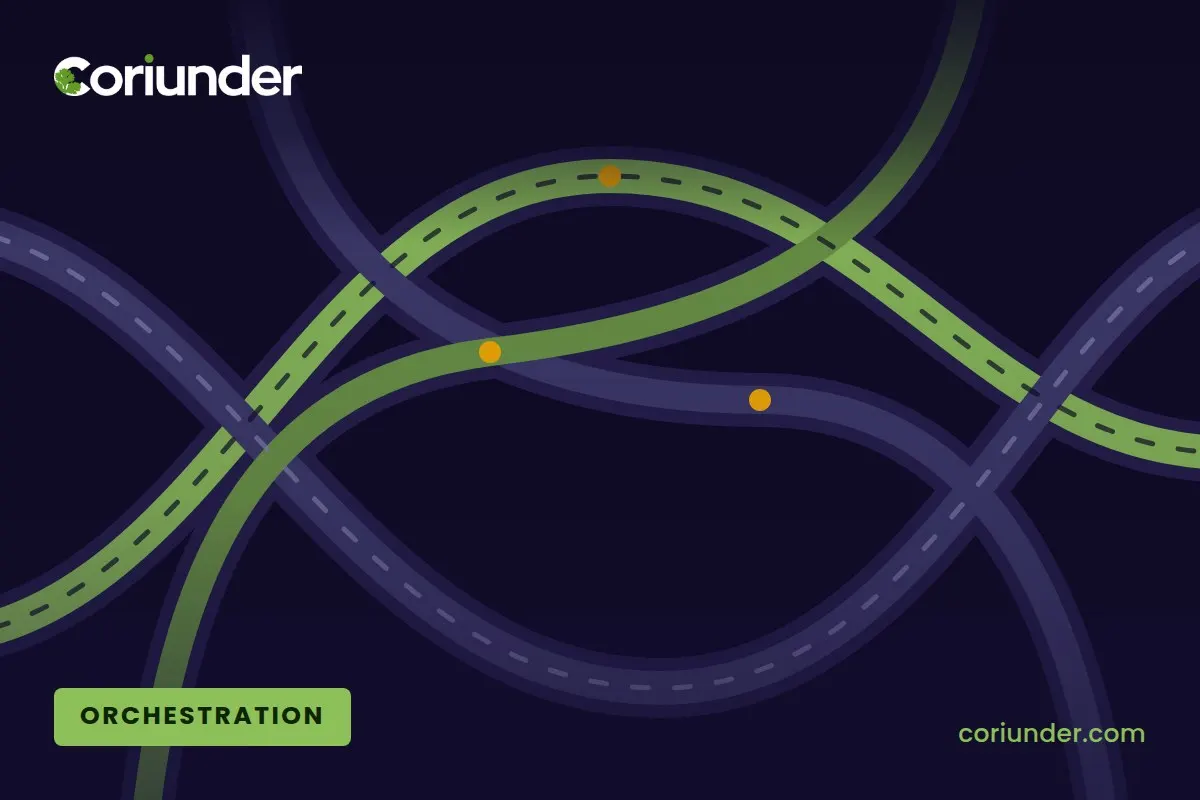
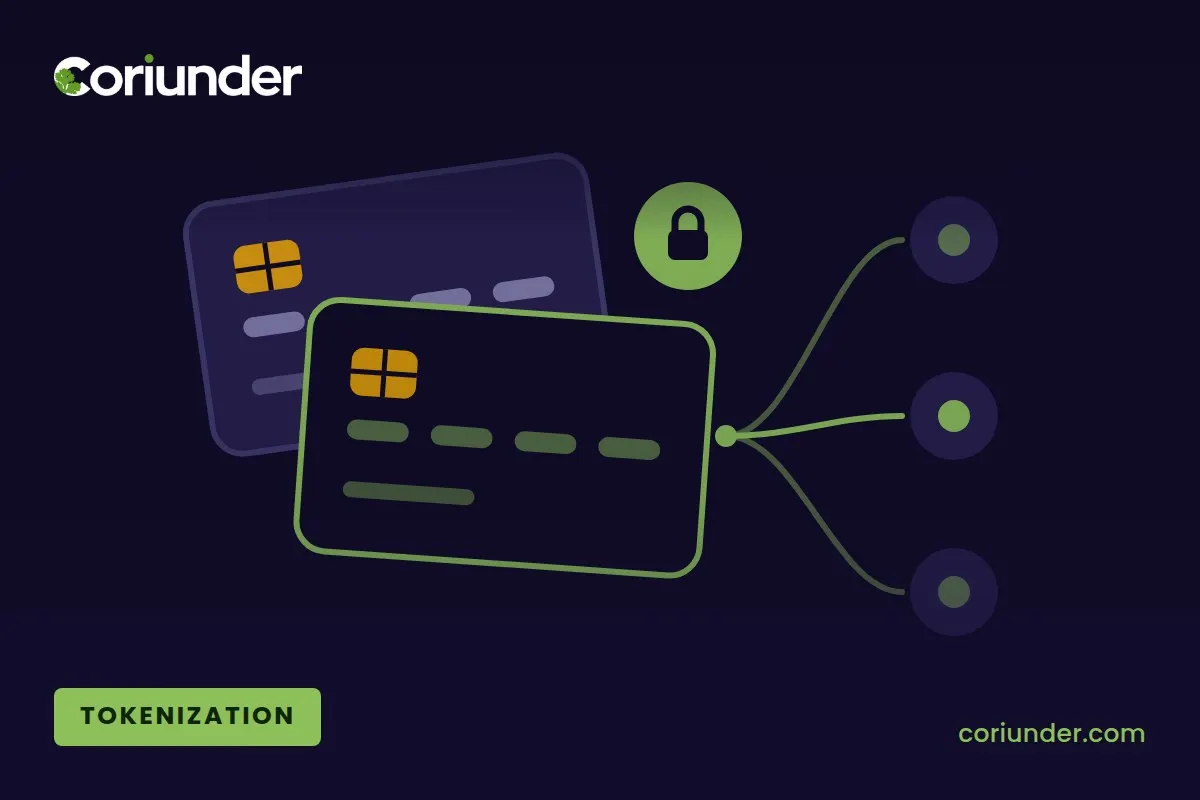
Every declined card transaction is a customer who was about to buy. Most platforms write them off. The leading cashiers treat decline as an event with a next step - and recover meaningfully more sales than the ones who don't.
Sequencing the retry
The first principle is sequencing. A soft decline (insufficient funds, do-not-honor, issuer-side timeout) often succeeds on a retry against a different acquirer or after a short delay. A hard decline (lost card, stolen card, fraud) shouldn't retry at all. The cashier needs to know the difference and act accordingly.
The third principle is timing. Smart retries spread attempts across hours and days, not seconds. An expired-card decline might succeed three days later when the issuer updates the card. A do-not-honor might succeed on a different day or different time of day. Automatic card-updater services (where supported) handle expiry-driven declines without the customer being involved.
Open Banking as the fallback
The second principle is method fallback. When the card path is exhausted, the cashier should offer an alternative - most commonly Open Banking, where the customer pays directly from their bank app. The conversion rate of this fallback step is high because the customer is already engaged and the friction is low. Account-to-account rails also typically settle faster and cost less than card retry.
Most platforms underestimate how much of their lost revenue is recoverable. Conservative estimates from cashier-orchestration platforms put recovery at single-digit percentage points of total processed volume - meaningful in any P&L.