If you are building a platform that other merchants pay through - a marketplace, a PayFac, an ISO, a software platform with embedded payments - you are operating multi-merchant payment infrastructure whether you signed up for it or not. Here's what makes it different.
Configuration belongs to the merchant
First: every merchant needs its own configuration. Routing rules, fee templates, MID assignments, KYC requirements, risk thresholds. Treating all your merchants the same is the fastest way to lose your best ones (overpriced for them) and onboard your worst ones (underpriced for them). The platform needs per-merchant configurability from day one.
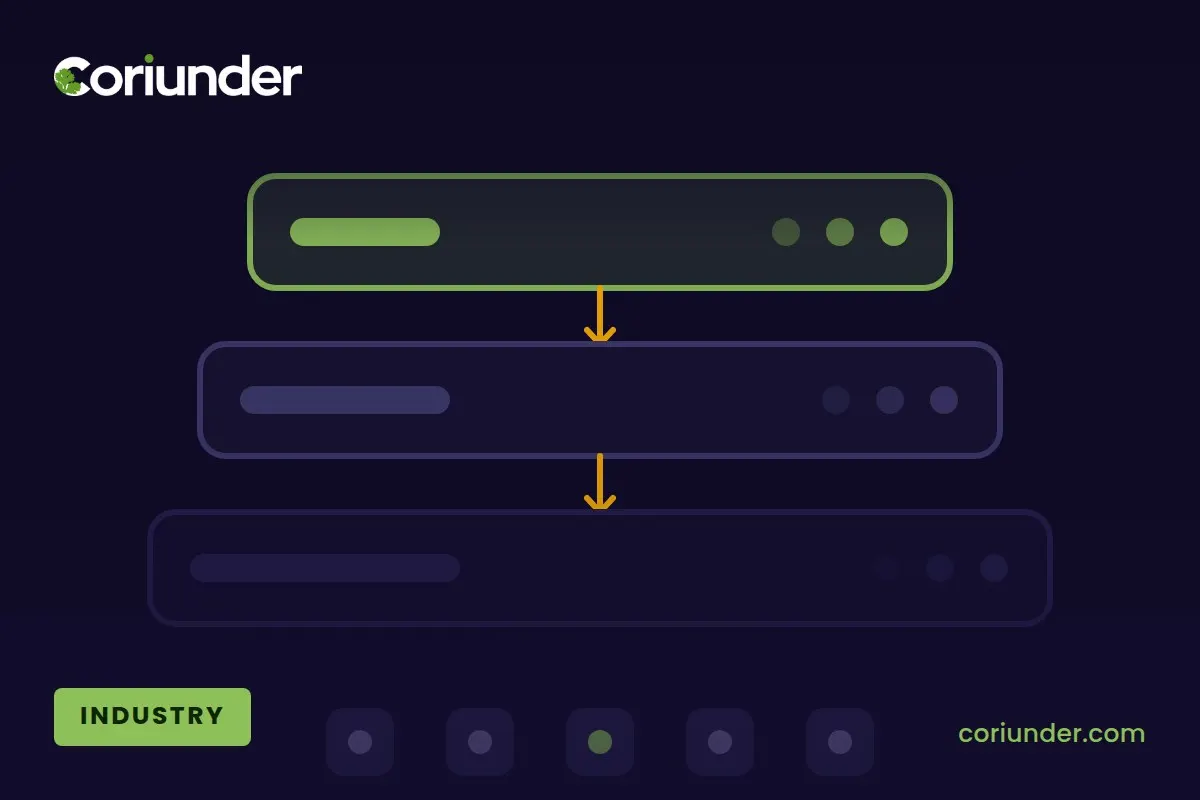
Second: hierarchies. A real multi-merchant platform usually has more than two levels - your platform, your direct customers, and your customers' customers (sub-merchants). Sometimes more. Onboarding, fee splits, settlement and risk all need to work across the hierarchy, not just at the top.
What changes as you scale
Third: split payments. When a transaction needs to settle to multiple parties (the platform's fee, the seller's payout, the affiliate's commission), the cleanest way is to split at capture - at the acquirer level - rather than allocate after the fact. This requires acquirer support and orchestration logic that handles the split correctly.
Fourth: KYB orchestration. Onboarding merchants at scale means routing each application to the right KYB provider based on vertical, geography and risk profile. Manual onboarding kills platform economics; rules-driven KYB is what makes the model work.
Most platforms underestimate the operational depth required and end up bolting these capabilities on later. Build them in from the start.